Technology
The Robotics Wave Reaching Las Vegas
From autonomous hospitality to warehouse intelligence, a practical look at the robotics companies and research shaping Las Vegas.’
By Aref Adibi | Broker Associate | Las Vegas Commercial Realty, Inc.
Las Vegas has always been a city that puts new technology on display before most of the world sees it — CES has made sure of that for decades. But something different is happening now. The robots that used to be a trade show demo are turning into permanent Las Vegas tenants, employers, and neighbors. This isn’t a preview anymore. It’s an industry taking root.
A Local Company Betting Big on Infrastructure
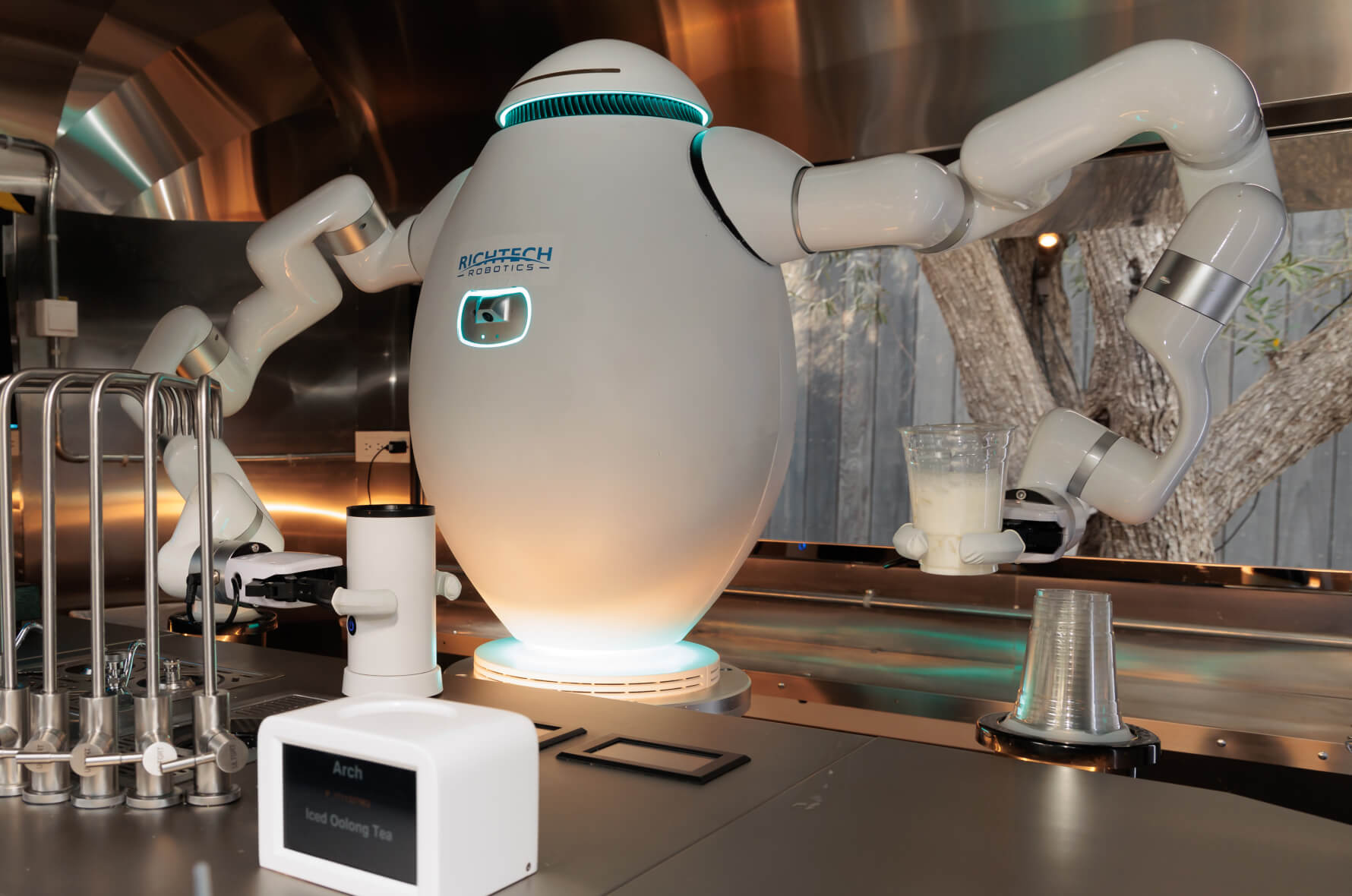
The clearest signal of that shift is Richtech Robotics, a Nasdaq-listed, Nevada-based robotics company that’s been quietly building out real estate and infrastructure in the valley. In May 2026, the company completed a roughly $21.2 million acquisition of a 79,325-square-foot warehouse facility in Las Vegas, expanding its local footprint significantly. The site is being built out to support GPU-enabled computing and robotics data collection, with initial data center operations expected to begin in fall 2026. Richtech is also expanding its headquarters and office space by about 20,000 square feet in the new building, with occupancy targeted by the end of 2026.
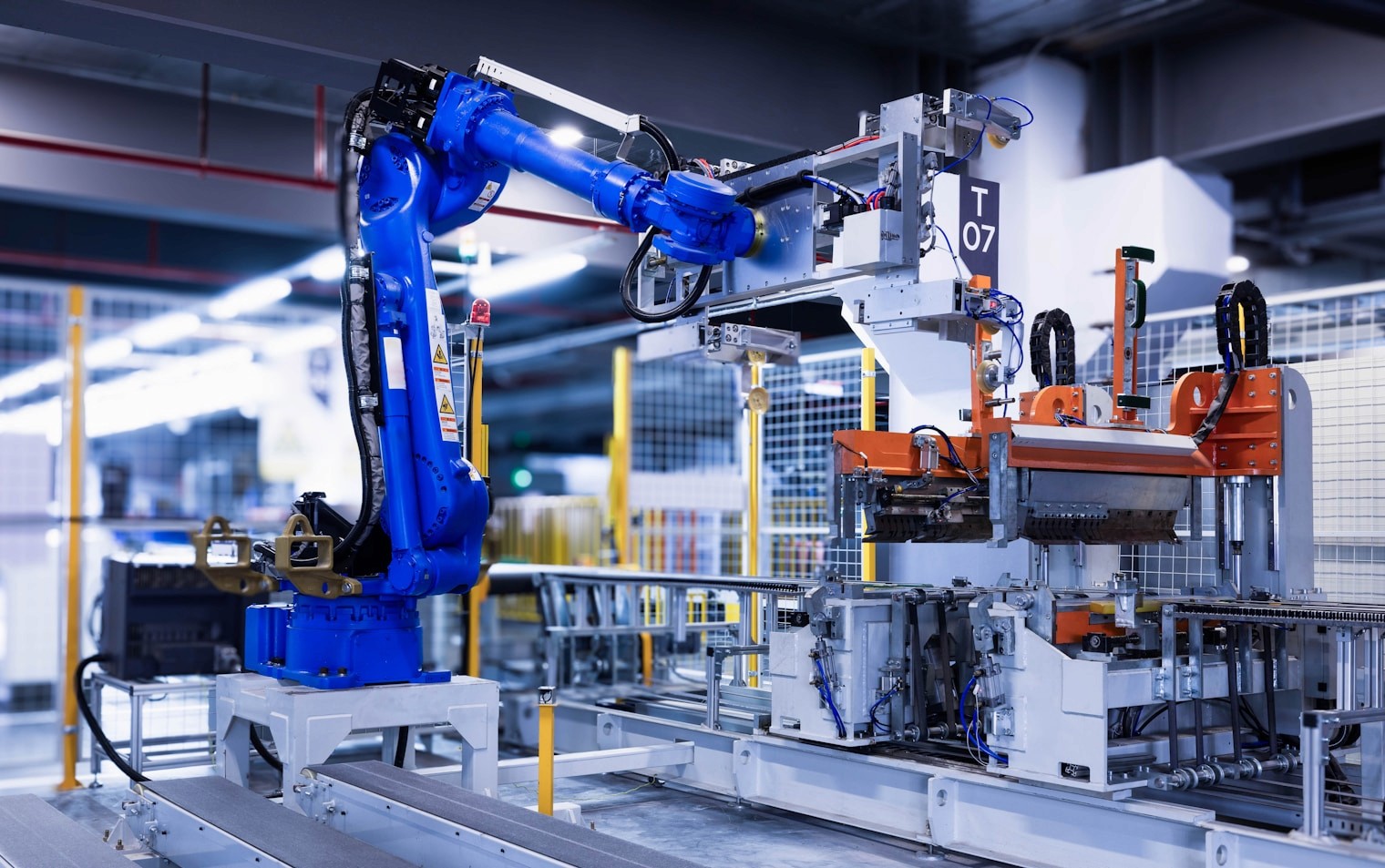
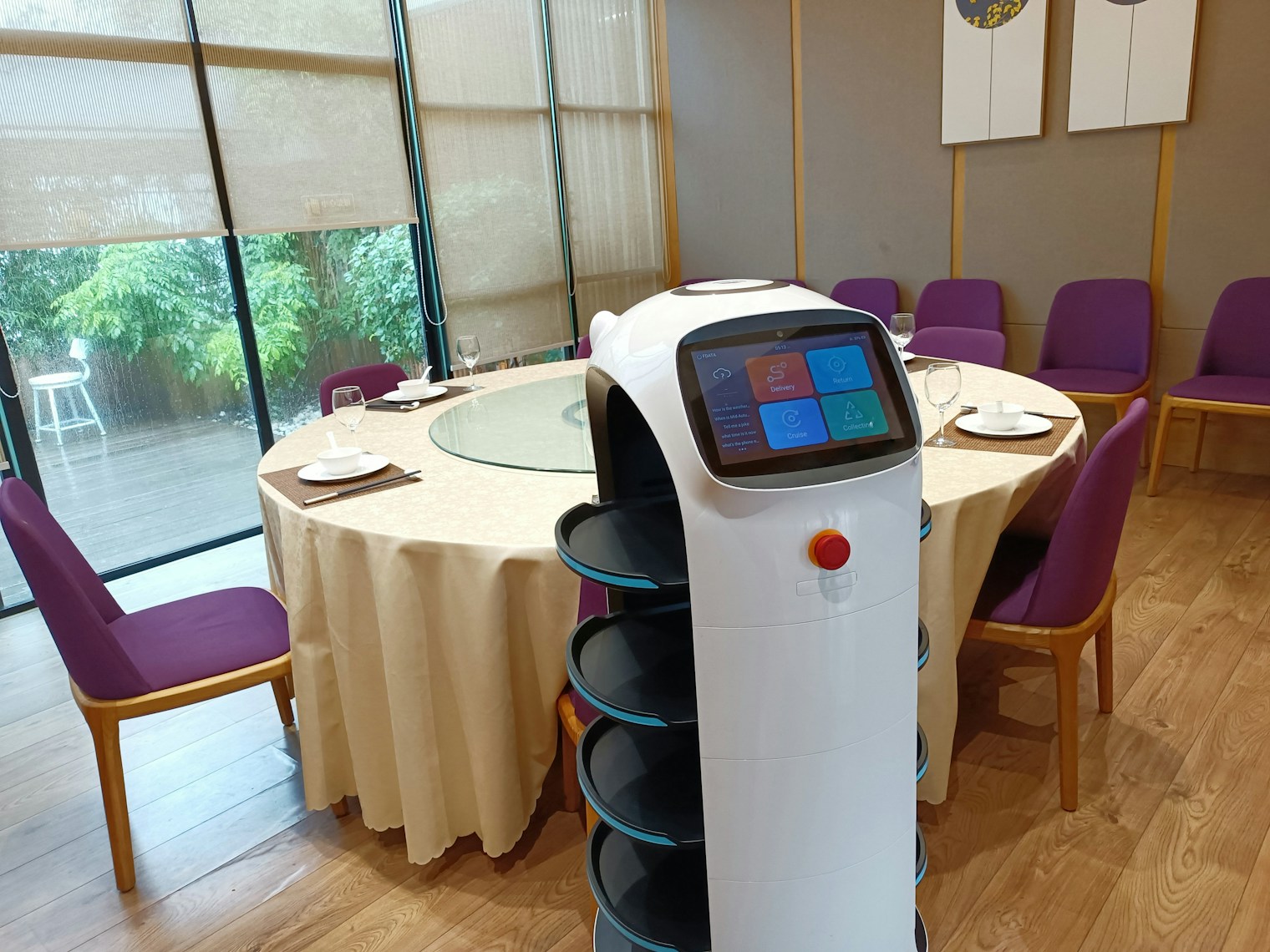
What makes this notable isn’t just the size of the investment — it’s what it’s for. Richtech’s robots already work across hospitality, food and beverage service, sanitation, and industrial applications, deployed in restaurants, hotels, casinos, and senior living facilities. The company’s strategy rests on three pillars — Industrial, Commercial, and Data Services — and the new facility is meant to feed all three: more compute, more data, faster iteration on the robots that end up on Las Vegas floors. That’s a company committing to Las Vegas as a base of operations, not just a market to sell into.
Autonomy Beyond the Casino Floor
Robotics in Las Vegas isn’t limited to hospitality service bots. The city is also home to Zoox, the autonomous vehicle company building a purpose-built robotaxi, and BRINC, a Las Vegas-founded company that designs American-made drones for first responders — a company whose origin story is tied directly to the city’s own history, born out of the 2017 Route 91 tragedy as a mission to give emergency responders better tools in crisis situations.
Add in a growing bench of smaller automation and robotics firms across the valley, and a pattern emerges: Las Vegas isn’t just consuming robotics technology through its casinos and resorts, it’s producing it.
The Research Engine Behind the Companies
None of this happens in a vacuum, and Las Vegas has a genuine research base to credit for a lot of it. At UNLV’s Howard R. Hughes College of Engineering, the Drones and Autonomous Systems Lab (DASL) — founded by robotics researcher Paul Oh, a former National Science Foundation robotics program director — has put UNLV robotics on the international stage, including a spot as one of just 15 global finalists in the $10 million ANA Avatar XPRIZE competition for human-robot avatar systems.
UNLV’s research interests extend directly into the industry that surrounds it. The university’s William F. Harrah College of Hospitality has partnered with the UNLV International Gaming Institute, the University of Florida, and hospitality-tech researchers to study how customers physiologically respond to interacting with robots — research aimed squarely at helping resort and casino operators make smarter decisions about where and how to deploy automation. It’s a rare, practical bridge between academic robotics research and the actual hospitality economy that dominates the city.

Why Las Vegas, Specifically
A few things make Las Vegas a logical home base for this kind of company, rather than just a market to sell into:
A built-in hospitality testing ground. Few cities offer the density of hotels, restaurants, and casino floors that Las Vegas does — a natural proving ground for service and delivery robots before they scale elsewhere.
A research pipeline already producing talent. UNLV’s engineering programs are training the workforce these companies need, and applied research programs are already answering the operational questions resort operators are asking.
Warehouse and industrial capacity at a reasonable cost. Compared to coastal tech hubs, Las Vegas offers meaningfully lower real estate costs for the large-format industrial and data infrastructure robotics companies increasingly need — without sacrificing proximity to a major metro and its logistics network.
A global stage, every January. CES alone gives locally based robotics companies a home-field advantage that’s hard to overstate — the world’s technology press and buyers show up on their doorstep every year.

What to Watch
Richtech’s new facility coming online later in 2026 will be worth watching closely — both as a bellwether for how much local infrastructure robotics companies are willing to build here, and as a potential draw for suppliers, partners, and talent who want to be near it. On the research side, keep an eye on UNLV’s continued hospitality-robotics partnerships, which are likely to keep producing the kind of applied findings that shape real deployment decisions on the Strip and beyond.
The bigger picture is this: Las Vegas has spent years hosting the robotics industry’s biggest annual showcase. It’s now becoming a place where that industry actually builds, tests, and works.
Curious how the robotics and advanced-manufacturing sector is shaping demand for industrial and flex space in Las Vegas? Reach out to our team — we track this market closely.

Book the Meeting Room
Book the Conference Room