Neighborhood
Las Vegas After Dark: The Business of the City
The city’s energy does not switch off at five—here is what that means for teams gathering, hosting, and building relationships.
By Aref Adibi | Broker Associate | Las Vegas Commercial Realty, Inc.
In most cities, five o’clock is a hinge. The workday closes, the after-hours version of the city opens, and the two rarely talk to each other. You leave the office, and business — real business, the kind that moves deals forward — waits until tomorrow.
Las Vegas never quite got the memo. Here, the hinge doesn’t exist. The five o’clock meeting and the eight o’clock dinner and the ten o’clock lounge conversation are often the same relationship, just moving through different rooms. Understanding that isn’t just a fact about the city’s culture. For any business operating here, it’s a fact about how the city actually works.
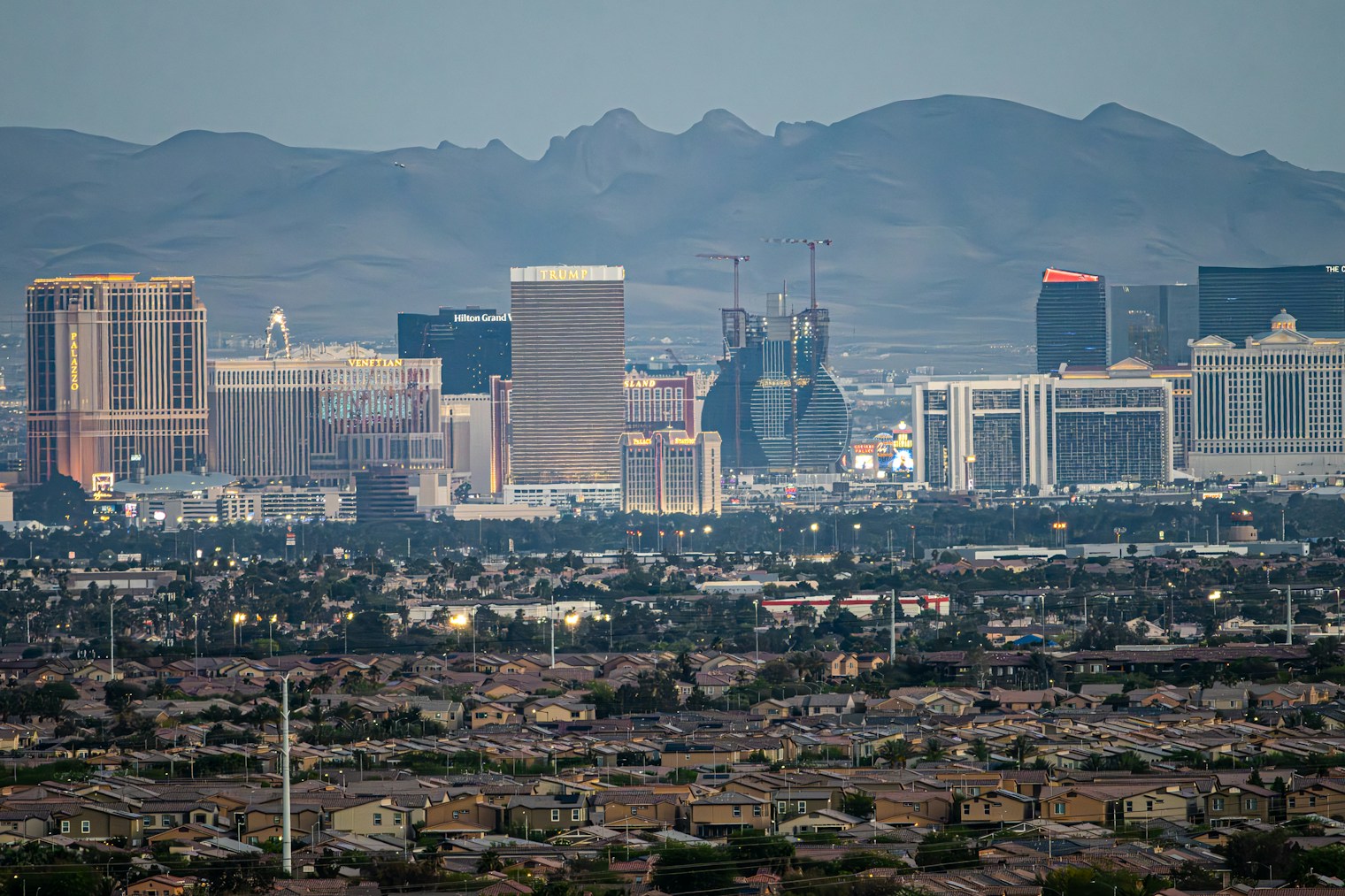
One Trip, No Second Logistics Chain
Ask anyone who plans corporate travel for a living what makes Las Vegas different, and you’ll get some version of the same answer: the entertainment is adjacent to the meeting rooms. There’s no need to run two separate logistics chains — one for the working sessions, another for the social program. Both operate out of the same footprint, often the same building.
That matters more than it sounds like it should. A team flying in for two days of meetings doesn’t need a second travel plan to also build relationships with a client. The dinner, the reception, the low-key drink after — they’re a five-minute walk from where the actual work happened, not a scheduling problem layered on top of it.
The City Hosts More Than Conventions
Las Vegas welcomes more than 20,000 conventions a year, and the infrastructure built to support that volume — major venues like the Las Vegas Convention Center, Caesars Forum, and the Venetian Expo — gets most of the attention. But the after-hours layer of the city is arguably just as purpose-built, and just as central to why business actually gets done here.
Resort campuses have leaned into that directly. Properties like Resorts World have built out tens of thousands of square feet of nightlife and lifestyle venues specifically designed to accommodate corporate buy-outs — full nightclub spaces, poolside day-club environments for daytime receptions, and smaller lounge concepts sized for a private client dinner rather than a thousand-person party. The message from the properties themselves is clear: they’re not just accommodating after-hours business, they’re building for it.
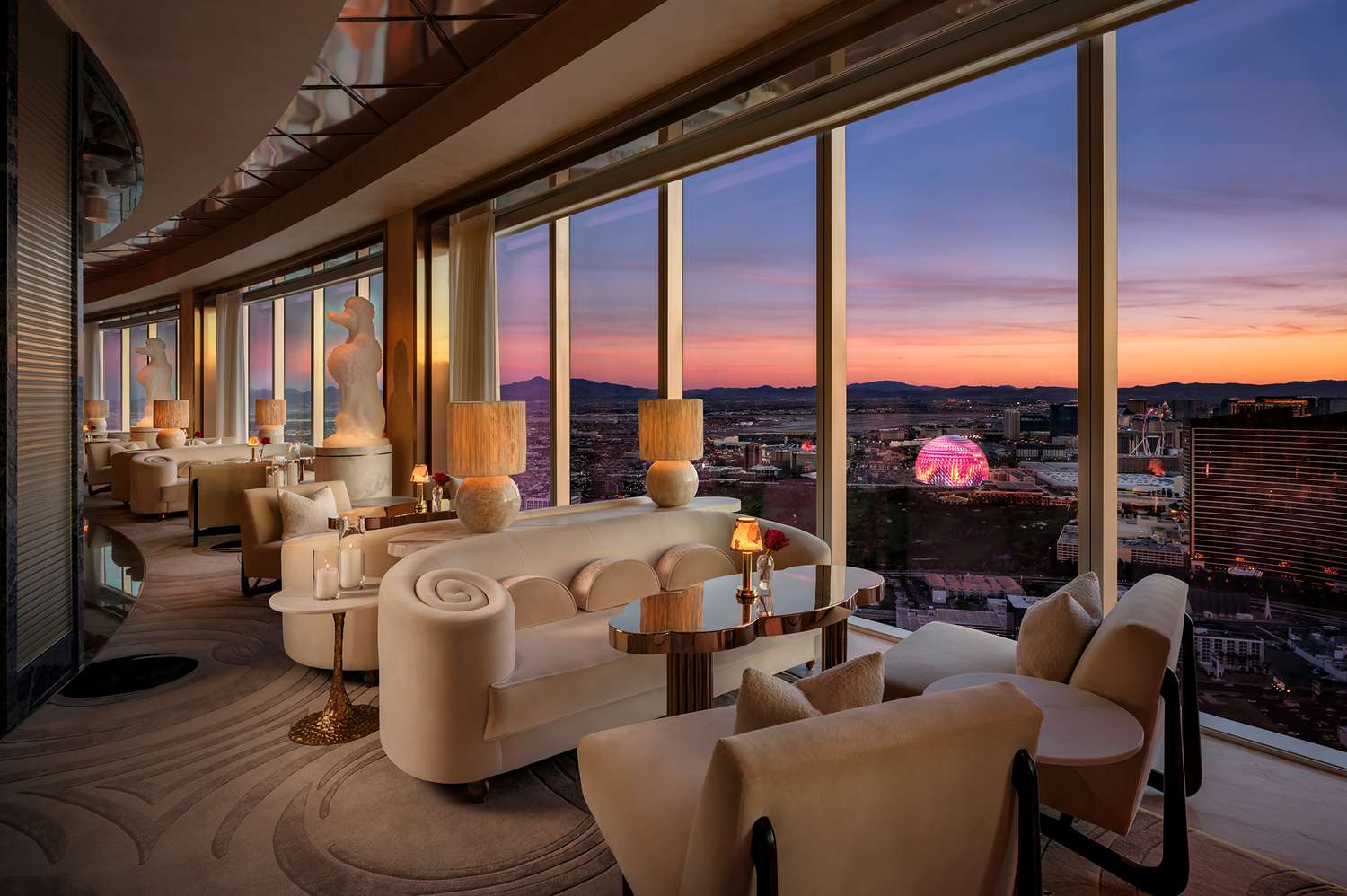
The city’s most talked-about venues make the same point in a different register. Legacy Club, sixty floors above Downtown atop Circa, turns a rooftop cocktail into a genuine event-hosting venue — full buyouts, private terrace fire pits, and a panoramic view of the valley that does a lot of the relationship-building on its own before anyone says a word. Allē Lounge on 66, sixty-six floors up at Resorts World, plays a similar role on the Strip side of town, offering a polished, view-driven space that reads as an occasion rather than just a stop for a drink. And then there’s the other end of the spectrum entirely: the Poodle Room at Fontainebleau, an invite-only social club where access itself — through a member, a reservation at its omakase restaurant, or a suite stay — becomes part of the experience. For a client relationship that calls for something more exclusive than a dinner reservation, that kind of access can say more than the meeting that preceded it.
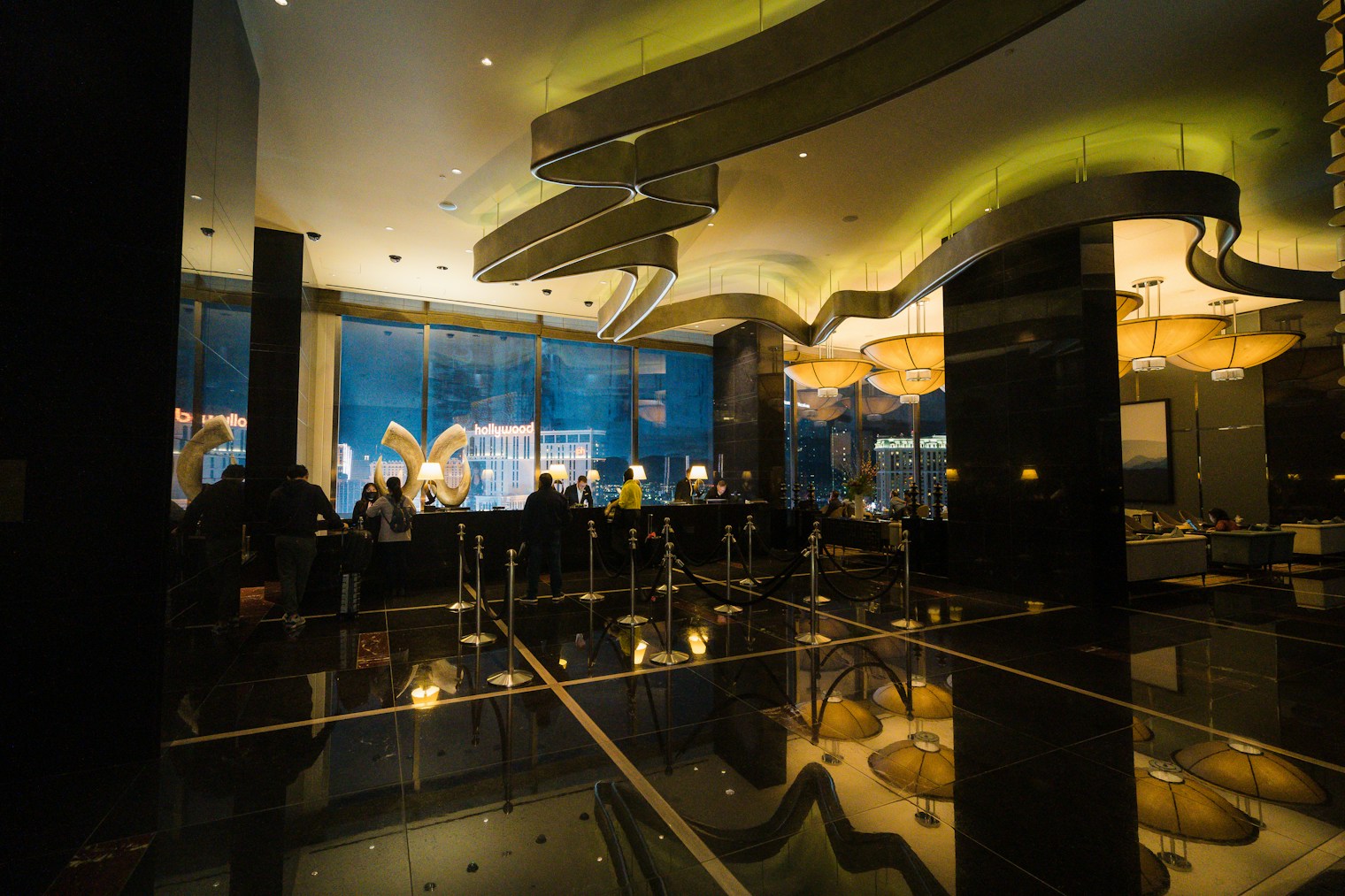
Relationship-Building Doesn’t Need an Agenda
There’s a reason so much real progress on a deal happens away from the conference table. A structured meeting is built for information — updates, decisions, next steps. It’s not particularly well-suited to the slower work of actually trusting the person across from you.
Las Vegas has quietly become very good at creating spaces for that slower work. Escape rooms and team-based problem-solving experiences give colleagues — or a client and a vendor who don’t yet know each other well — a low-stakes way to find common ground. Private cocktail sessions, run for groups anywhere from twenty to sixty, trade the structured agenda for ninety minutes of shared activity and unforced conversation. None of it reads as a “networking event.” All of it functions like one.
That’s the quiet function of the city’s nightlife economy, from a business standpoint: it’s not a break from the relationship-building. It often is the relationship-building, just without the awkwardness of labeling it that way.
A Rhythm That Runs on Its Own Clock
Part of what makes this work is that Las Vegas’ after-hours economy isn’t an afterthought bolted onto the day shift — it runs on its own full schedule, with its own professional rhythm. Industry nights, largely built around the city’s own hospitality workforce, run on weeknights when most other cities are already quiet. Lounges and social clubs are staffed and open on a cadence built for a city that assumes people will still want somewhere to be at nine, ten, eleven at night — whether they’re unwinding from a show floor or continuing a conversation that started in a meeting room hours earlier.
For a visiting team, that rhythm is a genuine asset. It means the second half of a business day isn’t a dead zone to be filled — it’s an extension of the day with its own set of tools, venues, and options, all built by an economy that treats “after work” as a serious business hour, not a footnote.
What This Means for Where You Do Business
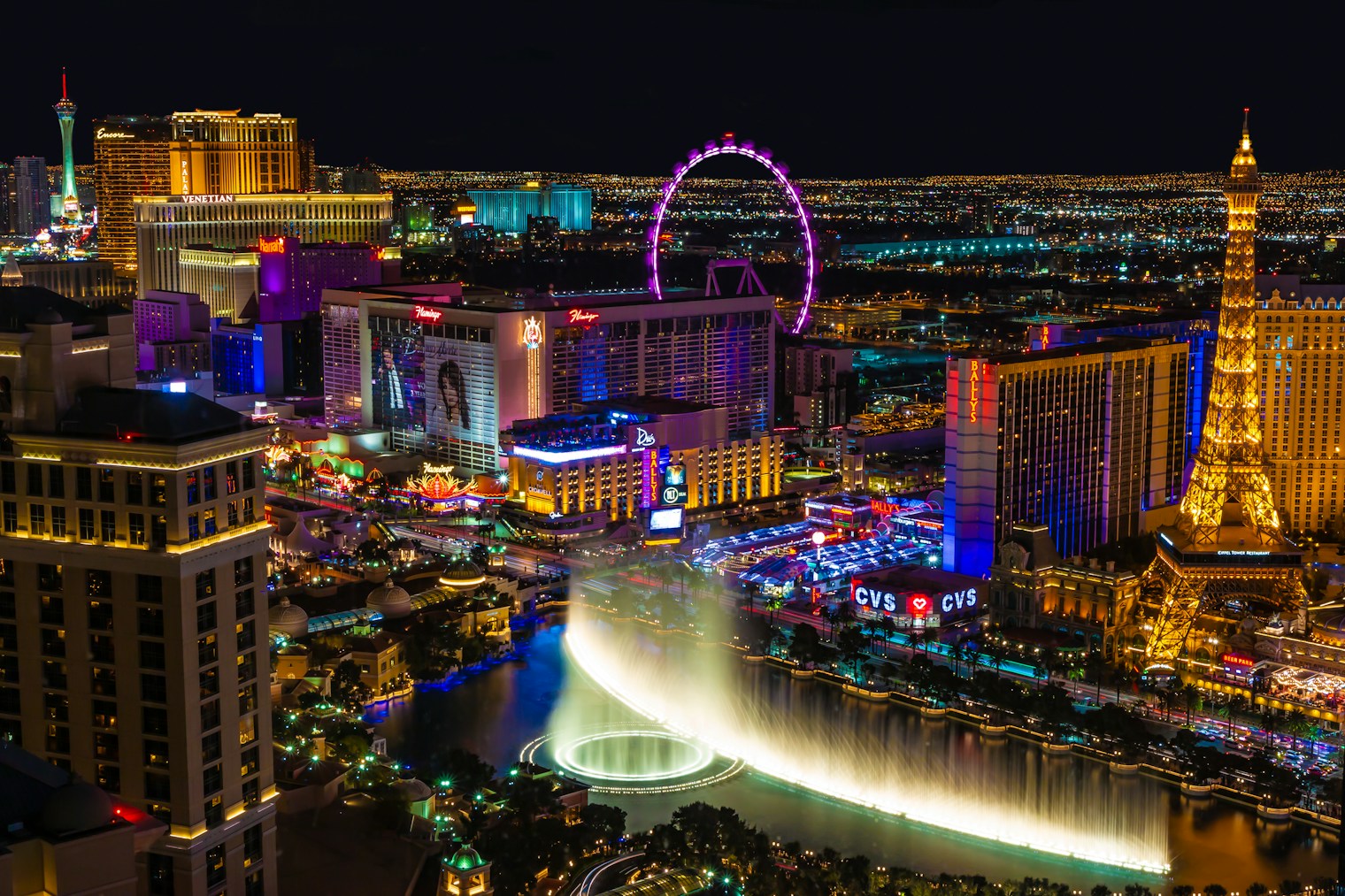
None of this is really about nightlife for its own sake. It’s about what a city built this way makes possible for a company operating inside it: shorter distances between the meeting and the relationship, fewer logistics gaps between the working day and the parts of the trip that actually build trust, and a location where “let’s grab dinner and keep talking” is a five-minute walk rather than a full evening’s plan.
For businesses based in or near the Convention Center District specifically, that proximity compounds. The same corridor that hosts the meetings during the day sits minutes from the venues, lounges, and restaurants that carry the conversation into the evening — which means the address a company chooses isn’t just shaping its workday. It’s shaping the entire arc of a client’s trip, five o’clock and beyond.
Curious how proximity to the city’s business and entertainment corridor factors into a location decision? Reach out to our team — we’re happy to talk through it.

Book the Meeting Room
Book the Conference Room