Technology
Convention Center Tech: The Next Guest Experience
How connected venues, real-time data, and thoughtful digital layers are changing what visitors expect around the Las Vegas Convention Center.
By Aref Adibi Broker Associate | Las Vegas Commercial Realty, Inc.
There’s a specific kind of frustration every convention-goer knows: standing at a hall entrance, map in hand, trying to figure out how to get from Booth 4210 to a 2pm meeting on the other side of a building the size of several city blocks. For decades, that frustration was just part of the deal. In 2026, it’s quickly becoming the exception rather than the rule — and the shift is resetting what visitors expect not just inside the Las Vegas Convention Center, but everywhere around it.
The Building Itself Got Smarter
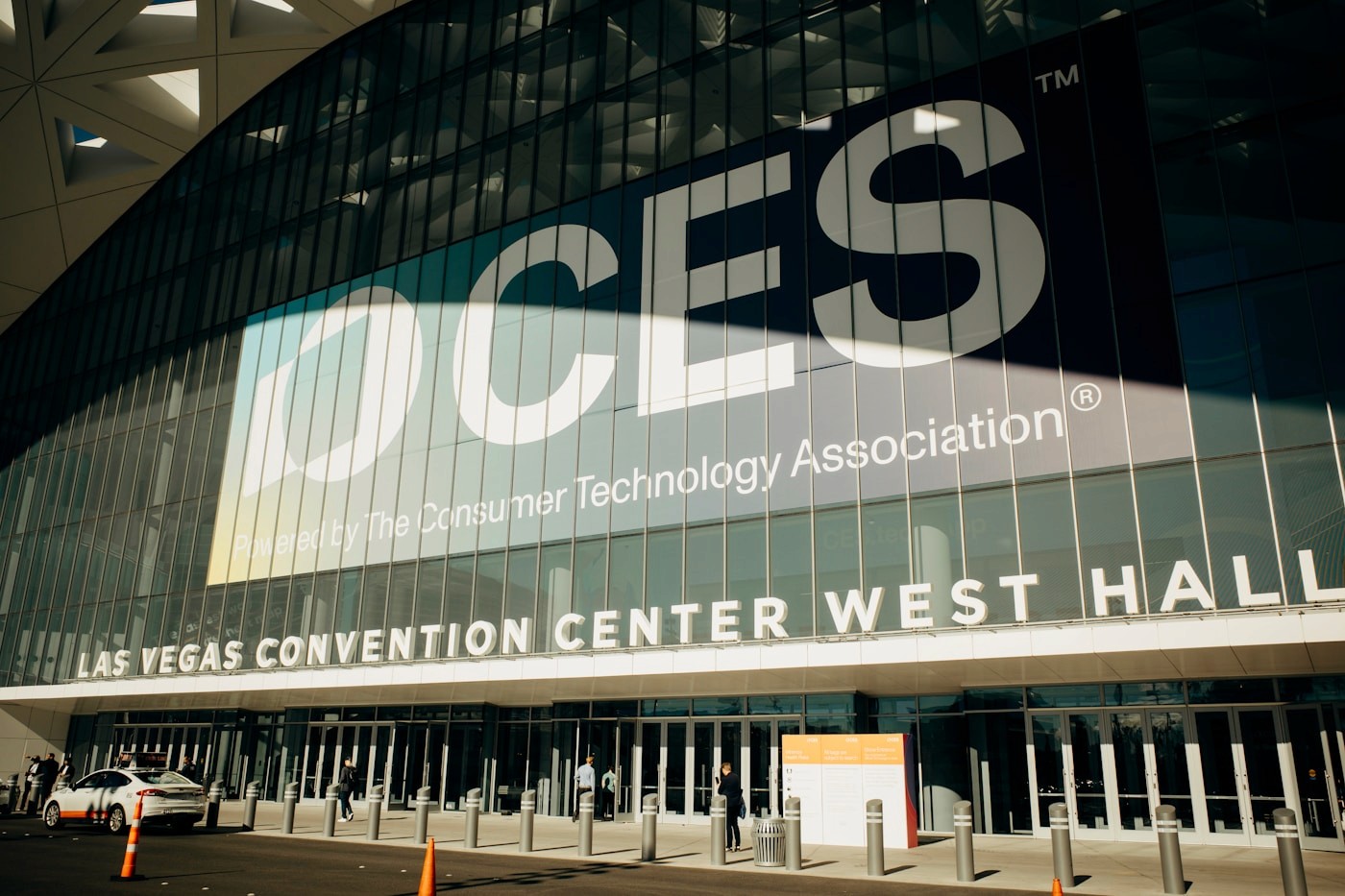
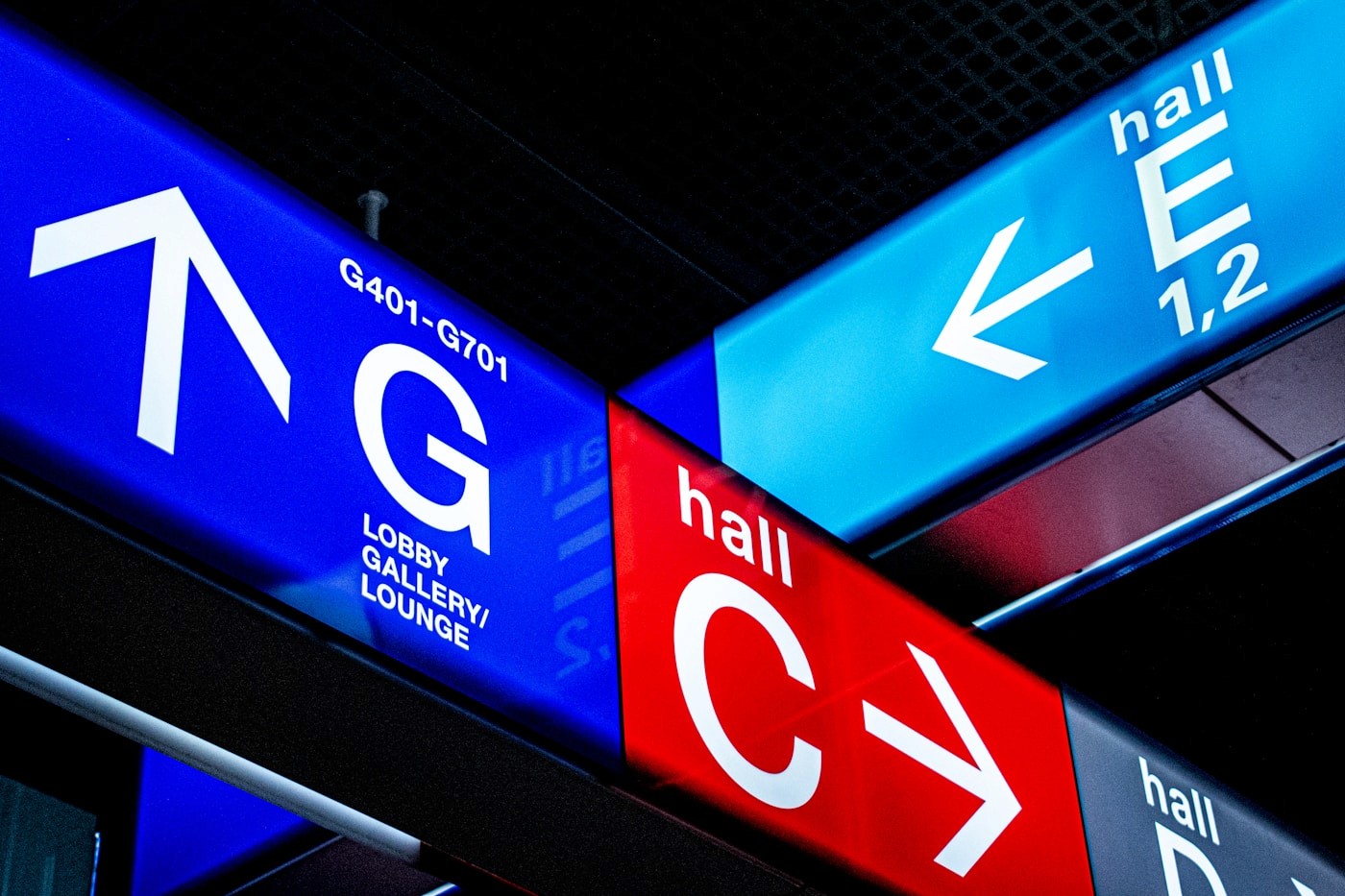
The starting point for all of this is the LVCC’s completed $600 million renovation, finished in time for CES in January 2026. The project didn’t just modernize the building’s finishes — it rebuilt the facility’s digital nervous system. The new 100,000-square-foot Grand Lobby anchors the experience with a 75-by-42-foot digital screen alongside additional displays, while a broader digital transformation effort — including a 10,000-square-foot video wall and interactive 3D wayfinding kiosks — unified what had previously been a patchwork of aging signage into a single, centrally managed system.
Crucially, that wayfinding doesn’t stop at the kiosk. A custom mobile app extends augmented-reality navigation directly to attendees’ phones, letting them find their way through millions of square feet of exhibit space without ever consulting a static paper map. For an industry event like SEMA, which returns to the renovated LVCC in November 2026, organizers are already framing the upgrade as a direct improvement to the show experience itself — faster navigation, better sightlines, and, ultimately, more time spent connecting with the right people instead of getting lost trying to find them.
Beyond the Building’s Walls
The tech layer doesn’t end at the LVCC’s doors, either. The Vegas Loop — the underground transit system connecting the convention center to surrounding destinations — has its own dedicated digital wayfinding, including large-format LCD kiosks positioned for visibility from parking areas and pedestrian paths. It’s part of a broader signage strategy designed to create one cohesive visual and digital language across the entire campus and its transit points, so the experience of “arriving” starts well before a visitor steps through an entrance.
That’s a meaningful shift in how convention infrastructure gets designed. The building is no longer being treated as a self-contained destination — it’s being treated as one node in a connected district, with digital continuity expected to carry through parking, transit, lobbies, and exhibit floors alike.
What the Rest of the Industry Is Signaling
The LVCC isn’t an isolated case. When InfoComm — the audiovisual industry’s major annual trade show — returned to the Las Vegas Convention Center in June 2026, the dominant theme on the show floor wasn’t whether AI belongs in venue technology, but how fast that technology can be absorbed without straining the infrastructure underneath it. More than 30,000 attendees and 750-plus exhibitors spent the week on a single organizing idea: the old line between audiovisual systems and enterprise IT has essentially disappeared. The people specifying a conference room today are the same people specifying its network.
The practical takeaway for venues and surrounding commercial buildings is straightforward. Digital signage, real-time wayfinding, and occupancy analytics are no longer premium add-ons reserved for flagship convention halls — they’re becoming baseline expectations for any commercial space that wants to compete for foot traffic, tenants, or events. Cameras, microphones, and displays are increasingly treated less as fixed endpoints and more as sensors feeding a shared data layer, one that venue operators and building owners alike are starting to build toward.
Why This Matters for the District, Not Just the Center
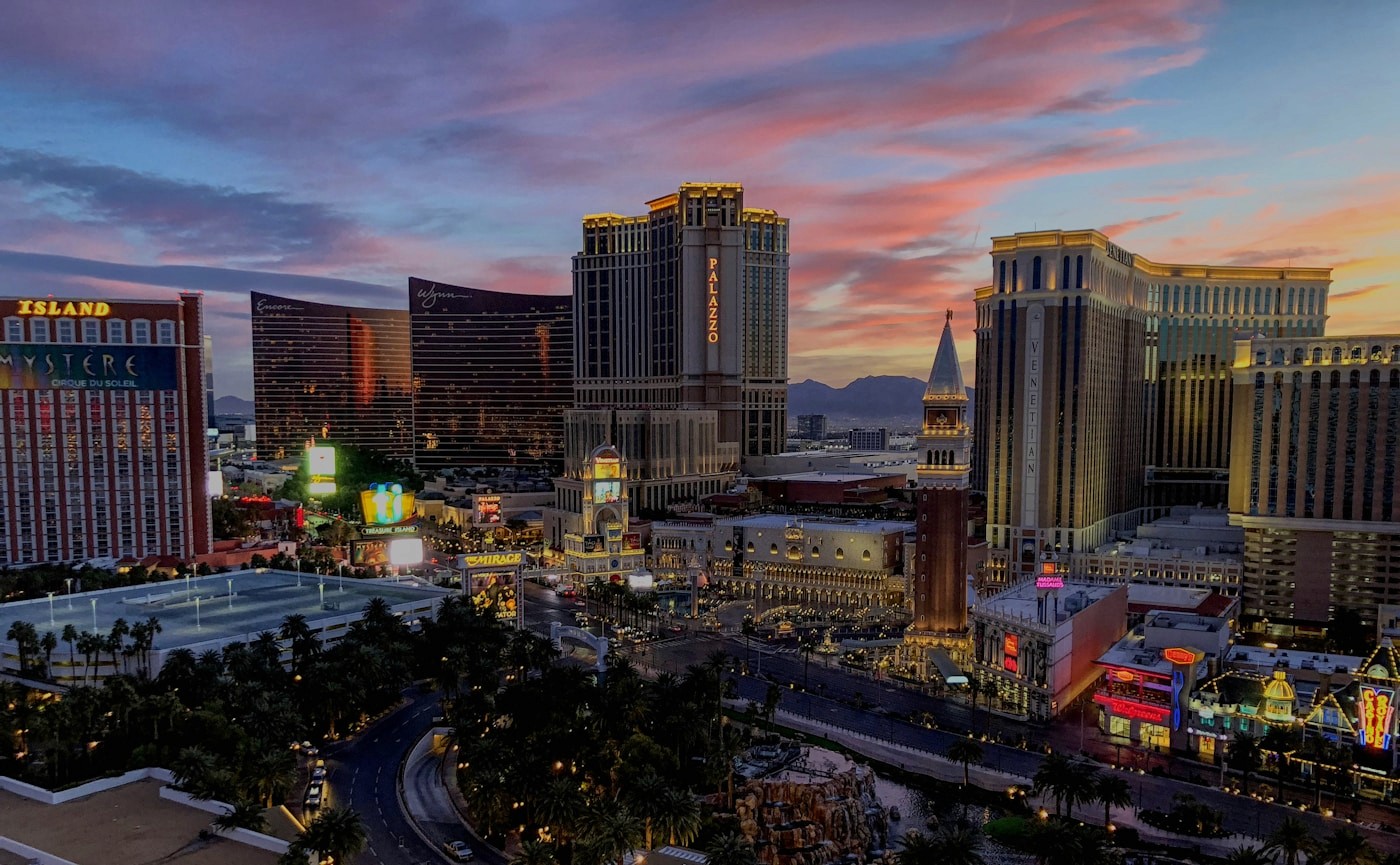
For the broader Convention Center District — the hotels, office buildings, and retail spaces that live in the LVCC’s shadow — this raises the bar in a very specific way. Visitors who spend their days navigating a beautifully connected convention floor, guided by real-time digital cues and frictionless wayfinding, carry that same expectation with them the moment they step outside. A confusing lobby, a dead-zone Wi-Fi signal, or a building with no coherent digital presence now reads as dated by comparison — not because it’s objectively worse than it was five years ago, but because the baseline around it just moved.
That’s beginning to show up in how surrounding properties think about their own upgrades: modernized building systems, better in-building connectivity, and amenity spaces designed with the same “connected, legible, easy to navigate” logic that now defines the convention center itself. It’s less about matching the LVCC’s scale and more about matching its philosophy — that the physical experience of a space and its digital layer aren’t separate projects anymore. They’re the same project.
What to Watch
Expect the momentum to keep building through the rest of 2026 as major shows like SEMA and returning tech-industry events put the renovated LVCC through a full annual cycle, generating real attendee feedback on what’s working. On the infrastructure side, keep an eye on how quickly surrounding hotels, resorts, and commercial buildings begin retrofitting their own legacy wayfinding and network systems — the kind of unglamorous, behind-the-walls work that ends up defining whether a district feels genuinely connected or just adjacent to something that is.
The convention center set a new standard for what a guest experience can feel like. The district around it is the next place that standard gets tested.
Curious how connectivity and building technology are shaping tenant and investor decisions around the Convention Center District? Reach out to our team — we’re tracking this closely.

Book the Meeting Room
Book the Conference Room